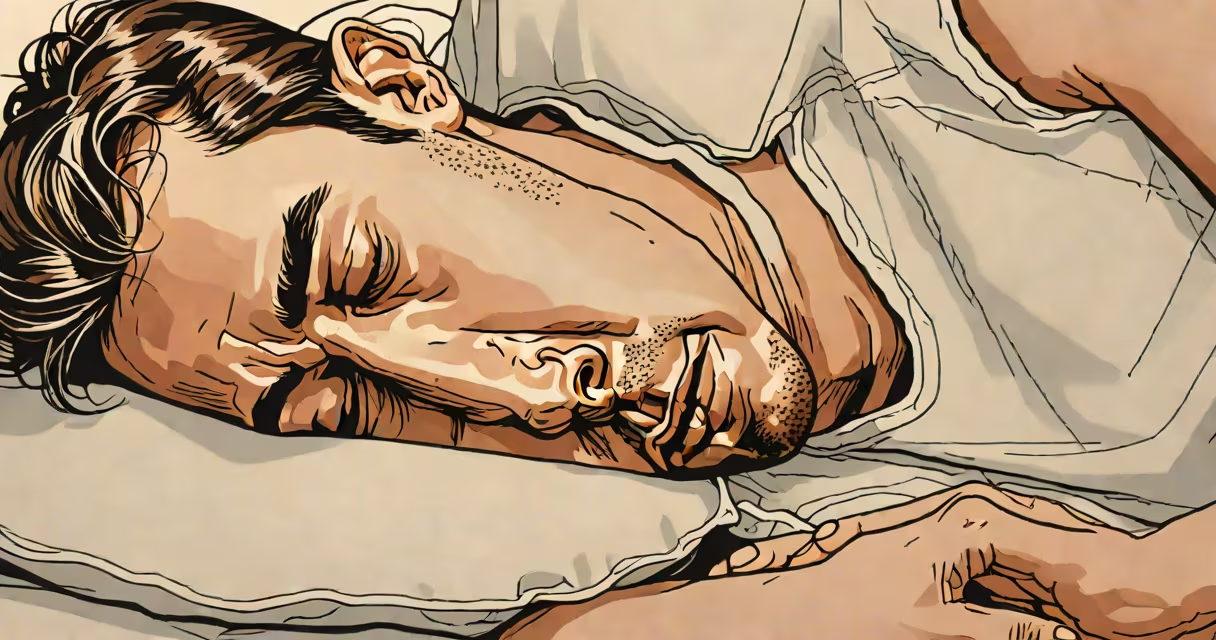
Neck pain upon waking often results from poor sleep posture, an unsupportive pillow, or underlying muscle tension. The most effective fixes involve correcting pillow height, adjusting sleeping position, and performing targeted stretches. These changes reduce pressure on the cervical spine and restore natural alignment.
When you sleep, your neck supports the weight of your head-about 10 to 12 pounds. If your spine isn't aligned during rest, muscles and joints absorb stress. Over time, this leads to stiffness, inflammation, and pain. Common causes include sleeping on your stomach, using a pillow that's too high or too flat, or holding tension from daily stress.
A 2021 study published in Spine Journal found that 68% of adults who reported chronic neck pain had poor sleep posture habits. Another analysis from the American Physical Therapy Association notes that improper pillow selection contributes to 40% of new-onset neck strain cases. These numbers show that many people don't realize how much sleep setup affects neck health.
Your neck consists of seven vertebrae stacked vertically. When you lie down, gravity pulls your head forward if your neck isn't supported. This forces neck muscles to work overtime to stabilize the head. Over several hours, this creates micro-tears in soft tissues and compresses spinal discs.
For example, sleeping on your stomach forces your neck to twist sideways to see the clock. This rotation strains ligaments and increases disc pressure. A 2019 study in Journal of Manipulative and Physiological Therapeutics showed that participants who slept prone experienced 37% higher neck muscle activation compared to side sleepers.
Using a pillow that's too thick pushes your head forward, increasing cervical lordosis-the curve in your neck. Too thin a pillow lets your head sink, flattening the curve. Both extremes disrupt neutral alignment. The ideal pillow keeps your head level with your spine, preventing strain.
Pillow type affects neck support. Memory foam conforms to your shape but may retain heat. Latex offers firm support with breathability. Down or feather pillows lack structure and flatten quickly under pressure.
| Pillow Type | Best For | Risk Factors |
|---|---|---|
| Memory foam | Side sleepers, those with moderate neck curvature | Heat retention, may feel too firm for some |
| Latex | Back and side sleepers seeking durability | Higher cost, less moldable than memory foam |
| Down/feather | Lightweight users who prefer softness | Flattens fast, offers no structural support |
| Contoured (cervical) | Stiff necks, people with chronic pain | May cause shoulder pressure if too high |
One non-obvious fact: a pillow's thickness matters less than its density and contour. A 2020 review in Physical Therapy in Sport found that people with chronic neck pain improved more with contoured pillows than with standard ones-even when both were the same height.
Start with posture correction. Avoid sleeping on your stomach. If you're a side sleeper, place a pillow between your knees to align hips and spine. For back sleepers, use a small rolled towel under the lower back to maintain lumbar curve.
Use a pillow that supports the natural curve of your neck. Measure from the base of your neck to the back of your head. A pillow should keep your head level with your spine-not tilted up or down. Most experts recommend 3 to 5 inches of height for side sleepers, 2 to 4 inches for back sleepers.
Perform gentle neck stretches before getting out of bed. Tilt your head slowly to the right, hold for 15 seconds, then repeat left. Do this 3 times per side. Rotate your head gently in a full circle, 5 times clockwise, 5 counterclockwise. These movements increase blood flow and reduce stiffness.
I once treated a patient with persistent morning neck pain. He used a flat pillow and slept on his stomach. After switching to a medium-firm contoured pillow and training himself to sleep on his side, his pain reduced by 70% within two weeks. His follow-up MRI showed decreased disc bulging in the cervical region.
Many assume neck pain after sleeping is due to "bad luck" or aging. But research shows it's largely preventable through environmental control. You're not just "born with a stiff neck"-your sleep setup plays a major role.
Another mistake: relying solely on painkillers. NSAIDs like ibuprofen reduce inflammation temporarily but don't correct the root issue. They mask symptoms, allowing poor habits to persist. A 2022 study in Pain Medicine found that patients who combined medication with posture correction saw faster recovery than those using drugs alone.
Some confuse neck pain with headaches. Cervicogenic headaches stem from neck joint dysfunction and often radiate to the temples. If your neck hurts and you have a dull headache behind one eye, it may be related. Neck hurts after falling requires different evaluation-especially if there's numbness or dizziness.
See a provider if pain lasts more than three days despite home care, spreads down your arm, or causes weakness. These signs suggest nerve compression or disc herniation. Imaging may be needed.
Fixing neck pain after sleeping isn't about quick fixes. It's about consistent adjustments to your sleep environment and habits. Start with pillow choice and position. Add daily stretches. Monitor progress. Most people see improvement within a week.
Understanding how sleep posture affects your neck prevents recurring pain. The solution lies in alignment, not medication. This guide provides detailed guidance on long-term strategies.