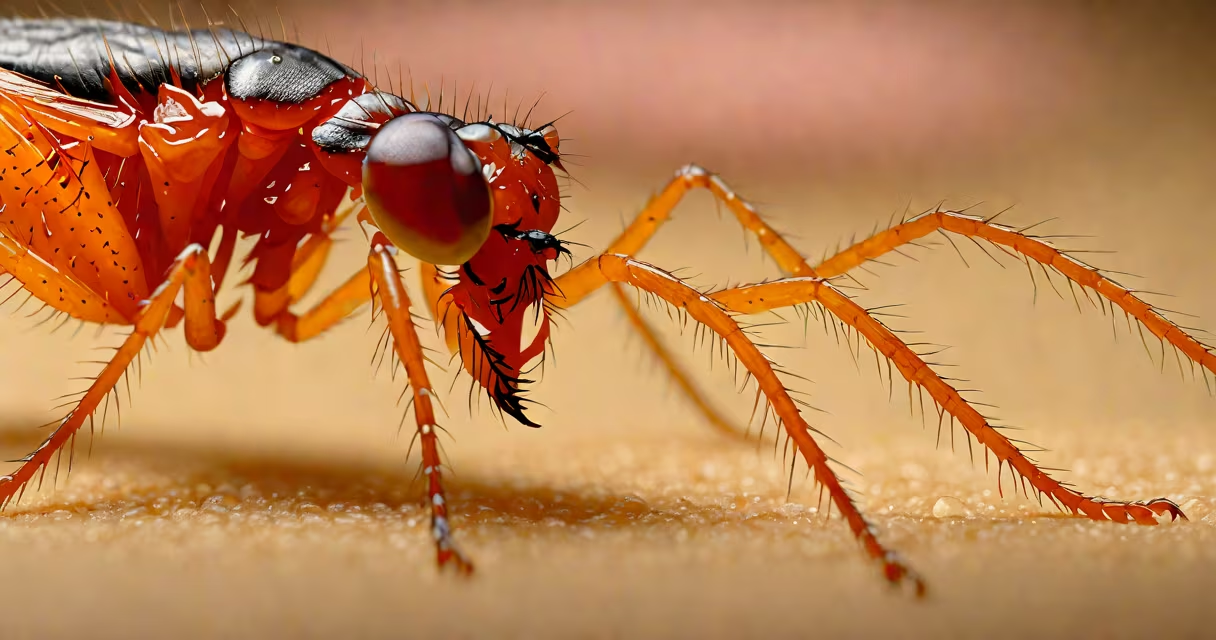
Fleas bite ankles because the area is warm, exposed, and often near the ground-ideal conditions for these blood-feeding insects to locate and pierce their host's skin. Their preference stems from biology, movement patterns, and evolutionary adaptation to hosts that walk through grass or carpets.
Fleas are small, wingless insects that rely on jumping to reach hosts. They detect warmth, carbon dioxide, and vibrations from nearby animals. When a person walks through tall grass or a carpeted room, fleas leap onto their legs and move upward toward the ankles-where skin is thinner and blood vessels are closer to the surface. This makes the ankle region easier to penetrate and feed from.
Adult cat fleas (Ctenocephalides felis), the most common species found on pets and in homes, can jump up to 150 times their body length-about 7 inches. That's enough to land on a human's lower leg from a distance. Once on the skin, they use their needle-like mouthparts to pierce the dermis and draw blood. The bite causes immediate itching due to a protein in flea saliva that triggers an immune response.
Fleas don't choose targets randomly. They respond to heat gradients, CO₂ emissions, and motion. A walking human emits a steady stream of CO₂ from breath and body heat rising from the feet and lower legs. These signals guide fleas during their jump. Studies show that fleas orient themselves toward heat sources within 10 seconds of landing.
After landing, fleas crawl rapidly-up to 15 cm per second-using hooked claws on their legs to grip hair and clothing. They move toward areas with less resistance and better access to blood. The ankle, especially beneath socks or around shoelaces, offers consistent warmth and minimal obstruction. Fleas avoid thick fur or dense clothing, which slows them down and increases exposure to grooming.
A single female flea can lay 20-50 eggs per day. Eggs fall off the host and hatch in dark, moist environments like carpets, bedding, or pet beds. Larvae feed on organic debris and adult flea feces (which contains dried blood). After pupation, new adults emerge and wait in the environment until a suitable host passes by-often targeting the lower body.
While cat fleas dominate household infestations, other species exist with different behaviors:
| Flea Type | Primary Host | Common Biting Location | Why It Targets Ankles |
|---|---|---|---|
| Cat flea (Ctenocephalides felis) | Dogs, cats, humans | Lower legs, ankles | High jump ability; prefers warm, exposed skin |
| Dog flea (Ctenocephalides canis) | Dogs, occasionally humans | Legs, behind ears | Less likely to jump high; stays near ground level |
| Human flea (Pulex irritans) | Humans, rodents | Feet, ankles, waistline | Adapted to human dwellings; feeds frequently |
Pulex irritans-the human flea-was historically linked to plague outbreaks in Europe. It still exists in some rural areas and tends to bite around the waist and ankles, especially in poorly ventilated homes.
Fleas don't discriminate based on personality-but they do favor certain biological traits. Research from the National Center for Biotechnology Information (NCBI) shows that individuals with higher body temperature, increased CO₂ output, and specific skin chemistry are more attractive to fleas.
One study published in *Parasites & Vectors* found that people who produce more lactic acid in sweat attract more fleas. This may explain why some family members get bitten repeatedly while others remain untouched-even when sharing the same bed or living space.
I once observed this firsthand during a camping trip. My partner, who sweats more and has slightly warmer feet, was bitten dozens of times on his ankles. I had only two bites-both on my calves. The difference wasn't hygiene; it was physiology. Fleas were drawn to the warmth and moisture near his ankles.
Many assume fleas only bite pets. But fleas can survive on humans for up to 10 days without feeding, though they prefer animal hosts. They'll bite humans if no pets are available-especially in homes with high flea populations.
Another myth: "Fleas only bite when you're indoors." In reality, outdoor exposure-walking through grass, sitting on a park bench, or visiting a friend's house with pets-can lead to bites. Fleas hitch rides on shoes, clothes, or pets and enter homes unnoticed.
Some think flea bites always appear in clusters. While they often form lines or groups along the ankle or lower leg, individual bites can be scattered. The pattern depends on how many fleas jumped simultaneously and whether they fed multiple times in one spot.
To reduce flea bites on ankles:
If bitten, clean the area with soap and water. Apply hydrocortisone cream or calamine lotion to relieve itching. Avoid scratching to prevent infection. Over-the-counter antihistamines like diphenhydramine can reduce allergic reactions.
For persistent infestations, consult a pest control professional. Fleas reproduce quickly-eggs hatch in 1-3 weeks, larvae mature in 2-3 weeks, and adults emerge ready to feed. A single untreated female can produce over 2,000 offspring in her lifetime.
When you see red, itchy bumps on your ankles after walking through a yard or returning from a pet visit, remember: it's not random. It's biology. Fleas are drawn to warmth, movement, and accessible skin-and ankles deliver all three.
Knowing why fleas bite ankles isn't just trivia-it's essential for prevention. relaxing at home, recognizing the risk zone helps you stay protected.