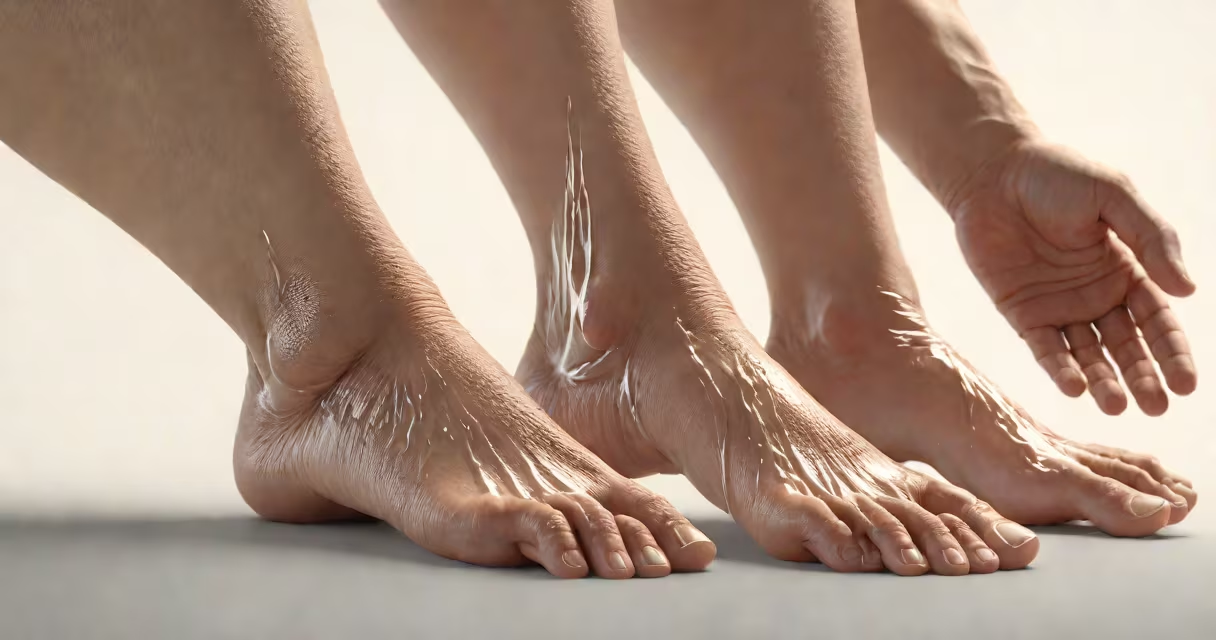
Arms and legs swelling, medically known as peripheral edema, happens when fluid builds up in the tissues of the arms or legs. This condition results from imbalances in fluid regulation, often due to underlying health issues such as heart failure, kidney disease, or poor circulation.
Swelling typically appears as puffiness, tightness in the skin, or visible indentations when pressure is applied-known as pitting edema. The affected limbs may feel heavy, stiff, or warm. Swelling can develop gradually or appear suddenly, depending on the cause.
While mild swelling may resolve with rest and elevation, persistent or worsening swelling requires medical evaluation. Left untreated, it can indicate serious conditions like congestive heart failure or deep vein thrombosis.
Fluid normally moves between blood vessels and surrounding tissues through capillary walls. When this balance shifts, fluid leaks into tissue spaces and accumulates. Several mechanisms trigger this imbalance:
A 2021 study published in Journal of the American Heart Association found that 68% of patients with new-onset leg swelling had undiagnosed heart failure upon further testing. This highlights the importance of not dismissing swelling as harmless.
Arms and legs swelling can stem from multiple systems. The most frequent causes fall into four categories:
| Category | Specific Causes | Prevalence Estimate |
|---|---|---|
| Cardiovascular | Heart failure, deep vein thrombosis (DVT), venous insufficiency | ~40% of cases |
| Renal | Chronic kidney disease, nephrotic syndrome | ~25% |
| Endocrine/Metabolic | Hypothyroidism, Cushing's syndrome | ~10% |
| Medication/Other | Calcium channel blockers, NSAIDs, pregnancy, prolonged standing | ~25% |
For example, calcium channel blockers-commonly prescribed for high blood pressure-can cause swelling in 10-20% of users. A 2019 review in Pharmacotherapy reported that 15% of patients on amlodipine developed bilateral ankle swelling within six months.
Swelling in both legs is usually symmetrical and indicates systemic issues. Asymmetrical swelling-especially in one leg-is a red flag for DVT, which affects about 1 in 1,000 adults annually and can lead to life-threatening pulmonary embolism if missed.
Many people assume swelling is simply a sign of fatigue, aging, or being on their feet too long. However, this overlooks critical warning signs.
One common misdiagnosis is attributing leg swelling to "water retention" during menstruation or hot weather. While temporary fluid shifts occur, persistent swelling beyond 24-48 hours warrants investigation. A 2020 study in Primary Care Companion for CNS Disorders found that 37% of patients with early-stage heart failure were initially misdiagnosed with benign causes.
Another error is confusing edema with cellulitis-a bacterial skin infection. Both can cause redness, warmth, and swelling, but cellulitis presents with fever, pain, and rapid progression. Misidentifying the cause delays proper treatment.
Non-obvious distinction: swelling in the upper limbs (arms) is less common than lower limb swelling but often signals more severe systemic disease. For instance, bilateral arm swelling may indicate advanced kidney failure or protein-losing disorders like nephrotic syndrome.
In 2022, a 64-year-old man presented with bilateral ankle swelling that worsened over two weeks. He reported no recent injury, travel, or medication changes. His primary care provider initially attributed it to "aging."
After he developed shortness of breath and orthopnea (difficulty breathing lying flat), he was referred to cardiology. An echocardiogram revealed an ejection fraction of 30%, confirming systolic heart failure. He was started on diuretics and ACE inhibitors. Within five days, his swelling reduced.
This case illustrates how delayed evaluation leads to avoidable hospitalization. Early recognition of swelling as a symptom-not a standalone issue-can improve outcomes.
Seek immediate care if swelling is sudden, painful, or accompanied by:
For persistent swelling, consult a healthcare provider even without other symptoms. A physical exam, blood tests (including BNP for heart strain), and imaging may be needed.
Arms and legs swelling is not normal. It reflects a breakdown in fluid homeostasis. Early intervention prevents complications and improves quality of life.