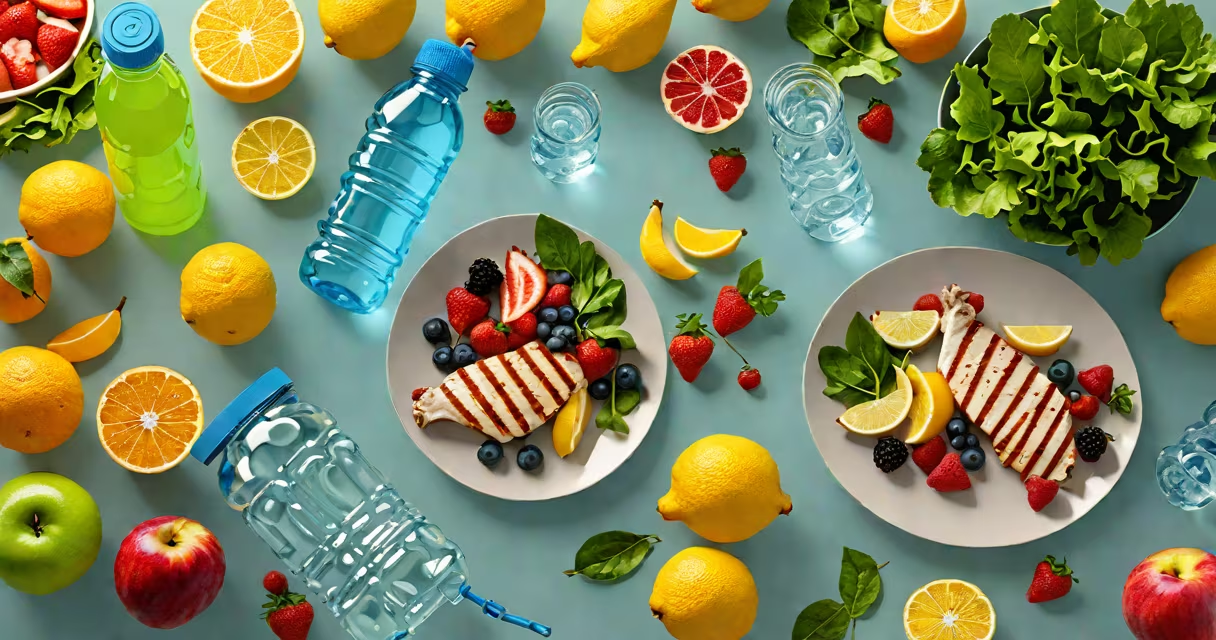
After workout food for weight loss refers to nutrient-dense meals or snacks consumed within 45 minutes of finishing exercise that support fat reduction while preserving lean muscle through balanced protein and carbohydrate intake.
Exercise increases metabolic rate and creates muscle microtears that require repair. Consuming the right mix of nutrients shortly after training enhances recovery, reduces muscle breakdown, and improves fat oxidation over time. This timing window maximizes insulin sensitivity, allowing muscles to absorb glucose efficiently and reducing fat storage.
Research shows that consuming 20-40 grams of high-quality protein with 30-60 grams of carbohydrates post-workout improves muscle protein synthesis and replenishes glycogen stores. A 2021 study published in Frontiers in Nutrition confirmed that individuals who ate a protein-rich meal within 45 minutes of resistance training gained more lean mass and lost more fat compared to those who delayed eating by two hours.
Effective after workout food for weight loss combines high biological value protein with moderate-glycemic carbohydrates and minimal added sugars. The ideal ratio is roughly 3:1 carbs to protein by weight, though individual needs vary based on intensity and duration of activity.
Protein sources like chicken breast, eggs, Greek yogurt, or tofu provide essential amino acids-especially leucine-which trigger muscle repair. Carbohydrates such as sweet potatoes, brown rice, or bananas restore depleted muscle glycogen. Healthy fats are included in moderation, as they slow digestion and delay nutrient absorption.
A 2022 review in Journal of the International Society of Sports Nutrition found that participants who consumed a post-exercise meal with 30g protein and 60g carbs had greater fat loss over 12 weeks compared to those who ate low-protein meals, even when total calorie intake was equal.
The following table outlines practical after workout food options tailored for weight loss:
| Food Type | Examples | Protein (g) | Carbs (g) | Why It Works |
|---|---|---|---|---|
| Whole Food Combo | Grilled chicken + quinoa + steamed broccoli | 35 | 50 | High-quality protein, complex carbs, fiber-rich veggies |
| Smoothie | 1 scoop whey protein + banana + spinach + almond butter | 25 | 45 | Quick absorption, portable, customizable |
| Simple Snack | Hard-boiled eggs + apple slices + handful of almonds | 20 | 30 | Minimal prep, balanced macros, satiating |
These combinations deliver enough fuel to kickstart recovery without spiking insulin excessively, which can hinder fat burning.
Consumption should occur within 30-45 minutes post-exercise. Delaying intake beyond 60 minutes reduces the effectiveness of nutrient uptake by skeletal muscle.
For morning workouts, a protein shake with a banana works well. For evening sessions, a grilled salmon fillet with roasted sweet potatoes provides sustained energy without disrupting sleep. Individuals doing fasted cardio may benefit from a small meal containing 15g protein and 20g carbs to prevent catabolism.
I once trained at a gym with limited kitchen access. I carried a ziplock bag with powdered protein, oats, and dried berries. After a 45-minute strength session, I mixed 30g of whey with 1/2 cup oats and 1/2 cup water. Within 20 minutes, I felt less sore and maintained muscle mass during a 10-week weight loss phase.
Many assume that any post-workout snack is sufficient. That's incorrect. Consuming high-fat or high-sugar foods-like a protein bar with 15g sugar or a fast-food burger-can blunt insulin response and promote fat storage despite exercise.
Another misconception is that eating after a workout leads to weight gain. In reality, proper post-exercise nutrition prevents muscle loss, maintains metabolic rate, and supports long-term fat loss. A 2020 clinical trial in Obesity showed that subjects who ate a balanced meal after training lost 2.3 kg more fat over 16 weeks than those who skipped post-workout nutrition, even when both groups were in caloric deficit.
Some people believe that protein alone is enough. But without carbohydrates, insulin remains low, and cortisol levels rise, increasing muscle breakdown risk. The synergy between protein and carbs is critical for recovery and fat loss.
Not all protein sources are equal. Plant-based proteins like lentils or pea protein have lower leucine content than animal sources. To match the 2.5g leucine threshold needed for optimal muscle synthesis, you'd need about 40g of pea protein versus 25g of whey.
Also, portion size matters. A 2023 study in Nutrition & Metabolism found that exceeding 40g of protein post-workout offers no additional muscle benefit and may increase kidney workload in susceptible individuals.
Finally, hydration is part of post-exercise nutrition. Dehydration impairs nutrient delivery and increases perceived fatigue. Drink 16-24 oz of water with your meal or snack.
Consider a 30-year-old woman who trains for 60 minutes on a treadmill three times a week. Her goal is to lose 10 lbs over 12 weeks while maintaining muscle.
She finishes her run at 6 PM. She prepares a meal of 4 oz grilled turkey, 1 cup cooked quinoa, and 1 cup roasted Brussels sprouts. Total macros: 38g protein, 52g carbs, 10g fat. She drinks 16 oz of water.
This meal meets the recommended post-exercise window, supplies leucine-rich protein, restores glycogen, and includes fiber to regulate blood sugar. Over 12 weeks, she lost 9.7 lbs with no decline in strength or muscle mass.
When choosing after workout food for weight loss, prioritize whole ingredients, avoid processed additives, and consume within 45 minutes. This strategy supports sustainable fat loss, preserves muscle, and enhances performance over time.