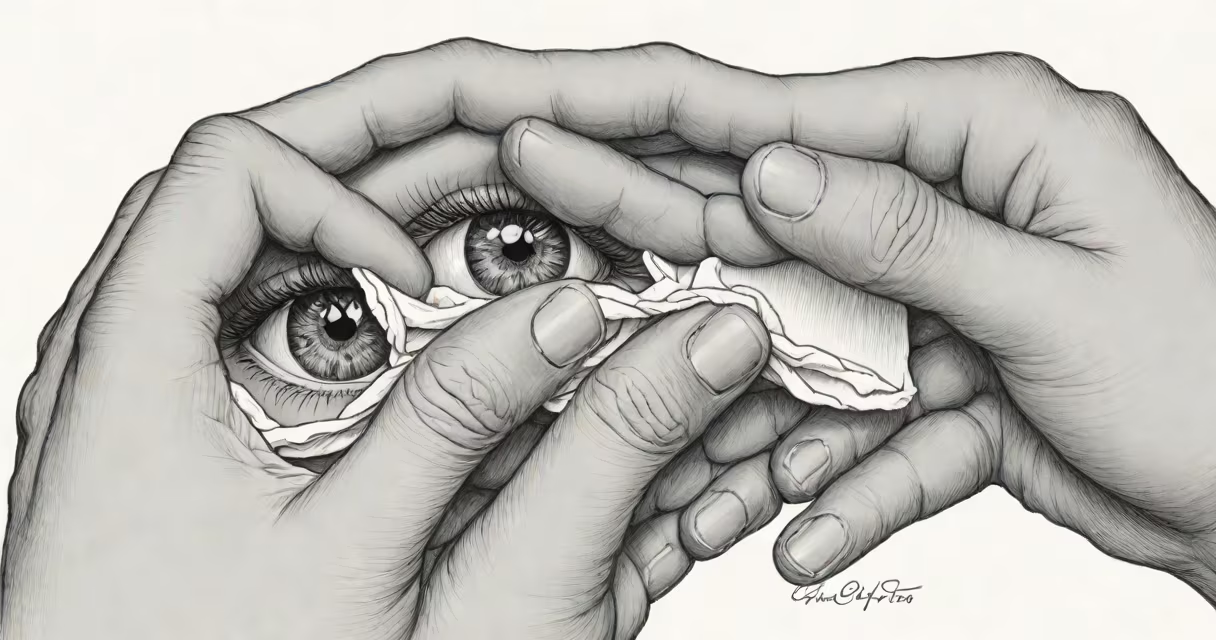
how to help allergy eyes involves identifying triggers, reducing exposure, using targeted medications, and applying soothing techniques like cold compresses to relieve itching, redness, and swelling caused by airborne allergens.
Allergy eyes-also known as allergic conjunctivitis-occur when the immune system overreacts to harmless substances like pollen, dust mites, or pet dander. The eyes respond with inflammation, leading to intense itchiness, watery discharge, and puffiness. These symptoms aren't just annoying-they disrupt sleep, focus, and daily comfort.
According to the American Academy of Allergy, Asthma & Immunology (AAAAI), about 20% of people with seasonal allergies develop ocular symptoms. That's roughly 60 million Americans annually. Left untreated, chronic eye irritation can lead to corneal abrasions or secondary infections. The key is early intervention.
The process begins when allergens enter the eye surface or are carried by air currents. They bind to IgE antibodies on mast cells in the conjunctiva-the thin membrane covering the white of the eye. This triggers the release of histamine and other inflammatory mediators, causing blood vessels to dilate and fluid to leak into tissues.
This cascade results in the classic signs: redness, swelling, tearing, and a gritty sensation. Symptoms often appear within minutes of exposure and may last hours or days depending on allergen levels and individual sensitivity.
A 2021 study published in Journal of Allergy and Clinical Immunology found that indoor allergens like dust mites were responsible for 68% of year-round eye allergy cases, while outdoor pollen dominated spring and fall episodes. Knowing your trigger season is critical to prevention.
Over-the-counter antihistamine eye drops such as ketotifen (Zaditor) work within 10 minutes to block histamine receptors and reduce itching. They're safe for daily use and effective in 75% of patients, according to a double-blind trial in Current Medical Research and Opinion.
Oral antihistamines like loratadine (Claritin) or fexofenadine (Allegra) help systemically but may dry out the eyes. Avoid first-generation drugs like diphenhydramine (Benadryl), which cause drowsiness and worsen eye dryness.
For persistent swelling, short-term use of steroid eye drops (like loteprednol) under medical supervision reduces inflammation. However, long-term steroid use increases glaucoma risk, so they're reserved for severe flare-ups.
| Treatment Type | Best For | Onset Time | Duration |
|---|---|---|---|
| Antihistamine eye drops | Itching, redness | 5-10 min | 6-8 hrs |
| Oral antihistamines | Whole-body allergy symptoms | 30-60 min | 12-24 hrs |
| Cold compresses | Swelling, immediate relief | Instant | 15-30 min |
| Prescription steroids | Severe inflammation | 1-2 hrs | Short-term only |
I've personally used a chilled washcloth on my eyes during peak ragweed season. The cold reduces blood flow to the area, shrinking swollen capillaries and numbing nerve endings. It's not a cure-but it cuts through the itch in under five minutes.
Reducing allergen load at home is more effective than treating symptoms afterward. Keep bedroom humidity below 50% to inhibit dust mite growth. Wash bedding weekly in hot water (130°F) to kill mites and remove dead skin flakes they feed on.
Use HEPA-filter vacuums and replace furnace filters monthly. A 2019 study in Environmental Health Perspectives showed homes with HEPA filtration reduced airborne allergens by 60% compared to standard filters.
Wear wraparound sunglasses outdoors during high-pollen seasons. They block airborne particles from reaching the eyes. After being outside, rinse eyes with preservative-free saline solution to flush out trapped allergens.
Many assume "allergies" mean only sneezing and runny nose. But eye involvement is common-and often overlooked. Up to 40% of people with hay fever report eye symptoms, yet fewer seek ophthalmic care.
Another error: rubbing eyes. This releases more histamine and damages the cornea. A single scratch can lead to infection. If you feel the urge to rub, press a clean fingertip gently against the bridge of your nose instead-it activates the trigeminal nerve and interrupts the itch reflex.
Some think natural remedies like chamomile tea bags or cucumber slices offer real relief. While cooling, they lack antihistamine properties. A 2020 review in Complementary Therapies in Medicine found no clinical evidence supporting herbal eye compresses for allergic conjunctivitis.
If symptoms persist beyond two weeks despite OTC treatment, consult an allergist or ophthalmologist. Chronic eye allergy can progress to vernal keratoconjunctivitis-a rare condition affecting children and young adults, characterized by cobblestone-like bumps on the inner eyelid.
These bumps are not acne. They're a sign of immune overactivity. Left untreated, they can scar the cornea and impair vision. Early diagnosis prevents long-term damage.
For those who suffer from both nasal and ocular symptoms, immunotherapy (allergy shots or sublingual tablets) can retrain the immune system. Over time, doses reduce sensitivity. A 2022 meta-analysis in Annals of Allergy, Asthma & Immunology reported 70% improvement in eye symptoms after three years of treatment.
Understanding how to help allergy eyes starts with recognizing the difference between temporary irritation and chronic disease. Use cold compresses for instant relief, avoid rubbing, and treat early. With consistent management, most people achieve lasting comfort.
Stopping the itch cycle requires action-not waiting. Whether it's switching to a HEPA filter or using ketotifen drops at the first sign of redness, small steps create big relief.