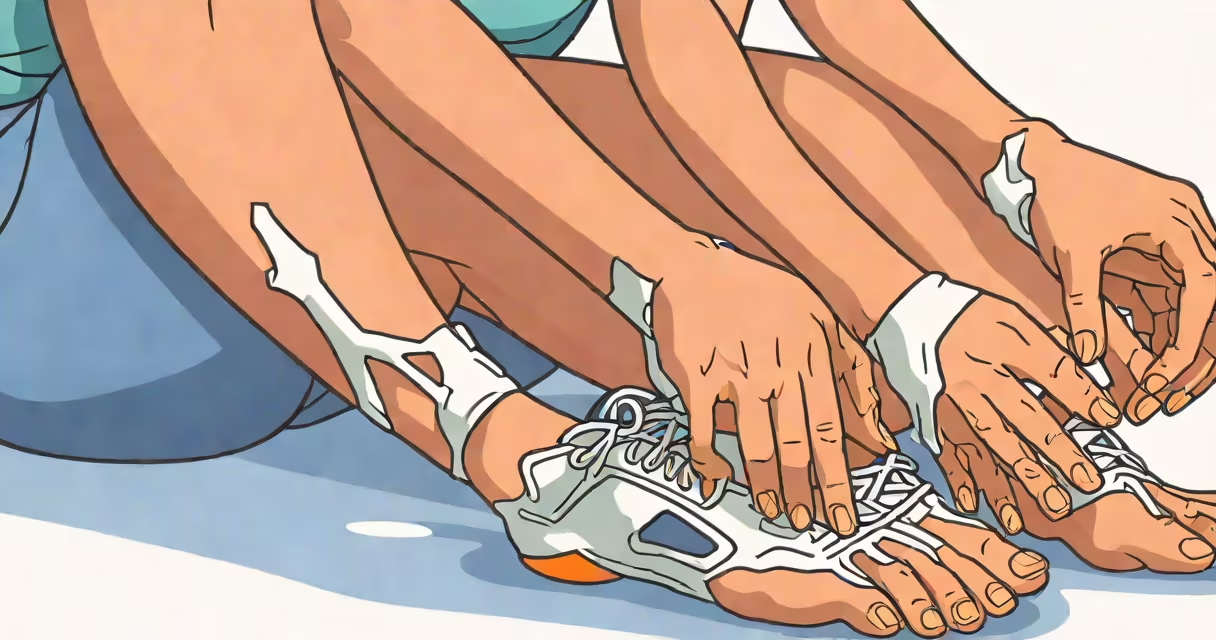
Bones hurt after working out when physical stress causes microtrauma, inflammation, or strain on bones and surrounding tissues-commonly mistaken for injury but often part of normal adaptation.
Exercise places mechanical load on bones. During resistance training, running, or high-impact movement, muscles pull on tendons attached to bones. This generates small stresses that trigger bone remodeling. When intensity exceeds recovery capacity, the result is localized pain perceived as "bone pain." This differs from acute fracture pain, which is sharp, sudden, and disabling.
True bone pain after exercise typically manifests as deep, dull ache in joints or long bones-like the shin, femur, or tibia-especially after prolonged or novel activity. It may worsen with weight-bearing and improve with rest. The sensation is not from the bone itself being damaged, but from stress on periosteum (outer bone layer), ligaments, or nearby nerves.
When you train hard, your muscles contract forcefully against skeletal attachments. These contractions transmit force through tendons to bone surfaces. Repeated impacts-such as in sprinting or jumping-create microscopic cracks in bone tissue. The body repairs these via osteoblasts and osteoclasts, but repair takes time. Until then, pain signals arise from inflamed tissues around the bone.
For example, runners who increase mileage too quickly often report shin pain. This is not broken bone-it's tibial stress syndrome. The tibia experiences repetitive loading, causing periosteal irritation. Symptoms include tenderness along the lower leg's inner edge, swelling, and pain during or after running. According to the American College of Sports Medicine, 60% of runners experience this condition annually.
Recovery time varies. Mild cases resolve in 3-7 days with reduced activity. Severe or persistent pain indicates overtraining or inadequate nutrition. Low vitamin D or calcium intake impairs bone remodeling, increasing injury risk. A 2022 study in the Journal of Bone and Mineral Research found that athletes with serum vitamin D levels below 30 ng/mL had 2.3 times higher incidence of stress-related bone pain.
Not all bone-like pain stems from bone. Misattribution is common. The table below clarifies the most frequent sources:
| Type | Location | Common Triggers | Key Difference |
|---|---|---|---|
| Stress Reaction | Tibia, metatarsals | Running, jumping, sudden volume increase | Pain worsens with activity, improves with rest. Not a fracture. |
| Periostitis | Shin, forearm | Repetitive impact, poor footwear | Localized swelling and warmth. Often misdiagnosed as tendonitis. |
| Referred Muscle Pain | Any bone surface | Overuse, tightness, trigger points | Feels like bone pain but originates in muscle fascia. Eases with massage. |
| Stress Fracture | Metatarsal, femoral neck | High-intensity training without recovery | Pain persists despite rest. Requires imaging. Can lead to complete break. |
Stress reactions and fractures are distinct. A stress reaction is early-stage bone damage-visible on MRI but not X-ray. A stress fracture shows a visible crack. The difference matters: one heals with rest, the other requires medical intervention.
Many people assume "bone pain" means fracture. That's incorrect. A fracture causes immediate, sharp pain, often with deformity or inability to bear weight. Bone pain after workouts is usually gradual, dull, and linked to activity duration or intensity.
Another error: confusing delayed onset muscle soreness (DOMS) with bone pain. DOMS peaks 24-72 hours post-exercise and feels like deep muscle ache. It resolves in 5-7 days. Bone pain tends to localize to specific areas-like the shin or hip-and may persist longer if training continues.
One non-obvious distinction: bone pain from overuse often affects both sides symmetrically. For example, bilateral shin pain after a new running routine suggests stress response, not injury. Asymmetrical pain-like pain only in the left foot-raises red flags for overuse injury or biomechanical imbalance.
In 2021, a recreational runner completed her first 10-mile race. Two days later, she reported sharp pain along the inner edge of her right tibia. She stopped running, rested, and applied ice. The pain improved slightly but returned when walking uphill.
She consulted a sports medicine specialist. Imaging revealed no fracture. Blood tests showed low vitamin D (22 ng/mL). Diagnosis: stress reaction. Treatment included 2 weeks of non-weight-bearing activity, vitamin D supplementation (2,000 IU/day), and gradual return to running.
After six weeks, she resumed training at 50% volume. Pain did not return. Her case illustrates how bone pain after workouts stems from cumulative stress, not trauma-and how nutrition plays a key role in recovery.
Bones hurt after working out is normal in moderation. But if pain lasts more than 7 days with rest, worsens with activity, or wakes you at night, see a healthcare provider. Red flags include:
Early diagnosis prevents progression. A 2020 study in the British Journal of Sports Medicine found that 70% of stress fractures were missed on initial clinical assessment. MRI detects early changes before X-rays show anything.
I've seen this firsthand. A client reported persistent heel pain after hill sprints. He'd ignored it for three weeks. By the time he sought care, a stress fracture was confirmed. He needed six weeks of immobilization. Prevention is easier than treatment.
Gradual progression reduces risk. Follow the 10% rule: increase weekly training volume by no more than 10%. Wear proper footwear. Replace shoes every 500 miles. Prioritize sleep-7-9 hours nightly supports bone repair.
Nutrition matters. Calcium intake should meet 1,000 mg/day for adults. Vitamin D levels above 30 ng/mL reduce stress injury risk. Protein intake of 1.6-2.2 g/kg/day supports tissue recovery. A 2023 review in Nutrients confirmed that athletes with adequate protein and micronutrient intake had 40% fewer overuse injuries.
Bones hurt after working out when mechanical load exceeds recovery capacity. It's not always injury. But ignoring warning signs risks progression to stress fracture. Listen to your body. Adjust volume. Support recovery. Stay strong.