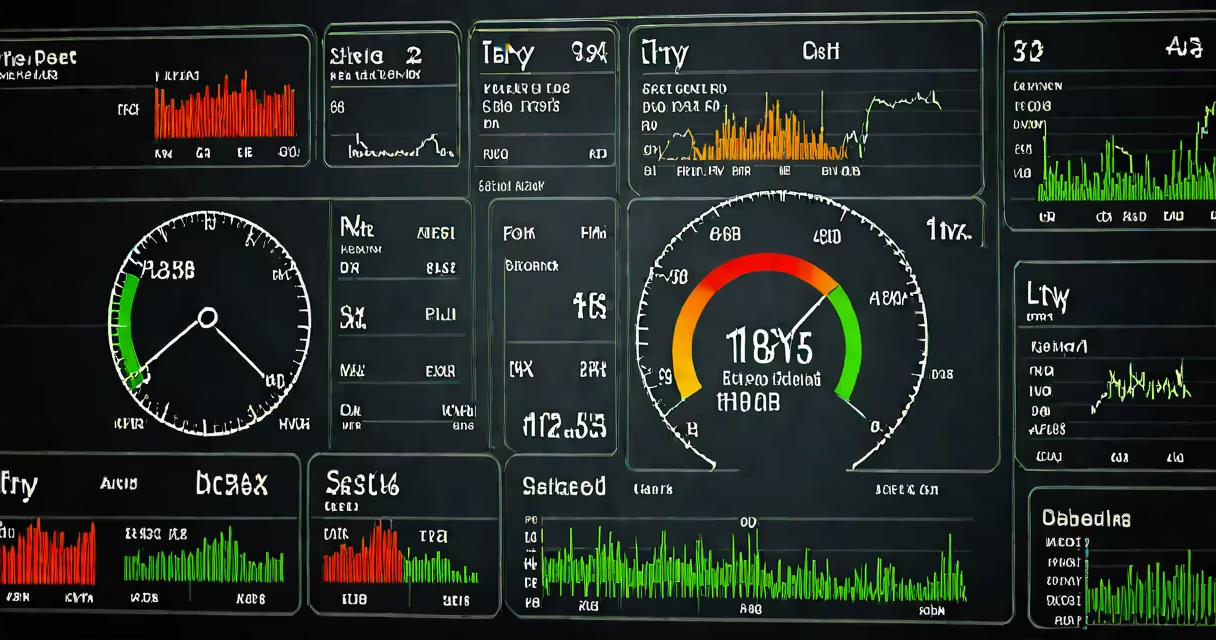
tlry short interest is the percentage of a company's outstanding shares that have been sold short through TLRY, a financial data platform specializing in short-selling analytics. It reflects the proportion of shares borrowed and sold with the expectation of repurchasing them later at a lower price.
Short interest measures how many investors are betting against a stock. When a stock has high short interest, it signals widespread belief that the price will fall. tlry short interest specifically tracks this metric using data aggregated from brokerages and clearing firms via TLRY's proprietary system.
For example, if a stock has 10 million shares outstanding and 1.2 million shares are sold short, the short interest is 12%. If TLRY reports that 1.1 million of those shares were identified through its network, then tlry short interest is 11%. This figure is updated daily and used by traders to assess sentiment and risk.
When an investor sells a stock short, they borrow shares from a broker, sell them immediately, and aim to buy them back later at a lower price. The difference between the sale and repurchase price is profit. If the stock rises instead, the short seller loses money.
TLRY collects data on short positions from participating brokerages and exchanges. It verifies ownership and borrowing activity through settlement records and margin accounts. Not all short positions appear in tlry short interest because some trades happen off-platform or through private arrangements.
Each day, TLRY compiles a snapshot of active short positions. These numbers are normalized to show the percentage of float (shares available for public trading) that are shorted. This normalization allows comparison across companies regardless of size.
tlry short interest data comes from two primary sources: direct brokerage feeds and exchange-reported filings. Brokerage feeds provide real-time updates on short positions held in client accounts. Exchange filings report aggregate short positions reported by firms at month-end.
Not all short interest is visible. Some short positions are hidden through complex derivatives or synthetic instruments. TLRY focuses on cash-settled short sales and excludes options-based short strategies unless they result in actual share delivery.
| Type | Source | Update Frequency | Accuracy Level |
|---|---|---|---|
| Brokerage Direct | Participating brokers | Daily | High |
| Exchange Filings | SEC Form 13F, FINRA | Monthly | Medium |
| Derivative-Based | OTC clearing houses | Weekly | Low |
For accuracy, tlry short interest uses a weighted average of these inputs. The system flags anomalies such as sudden spikes or discrepancies between broker and exchange data. A spike above 15% in tlry short interest often triggers alerts for traders.
High tlry short interest can indicate market pessimism. Investors who short a stock believe its fundamentals are weak or that a price correction is imminent. A rising short interest may precede a downward move in price.
However, high short interest doesn't always lead to a drop. If a stock is heavily shorted and begins to rise, short sellers may rush to cover their positions-buying shares to close the trade. This buying pressure can cause a short squeeze, where the price surges rapidly.
A notable example occurred in January 2021 with GameStop (GME). tlry short interest peaked at 140% of float, meaning more shares were sold short than existed. As retail investors coordinated purchases, the stock rose over 1,000% in weeks. The event highlighted how extreme short interest can fuel volatility.
tlry short interest is not the same as short interest reported by the SEC. The SEC publishes short interest data quarterly, while tlry provides daily updates. The SEC's data includes only positions reported by institutional investors filing Form 13F, missing retail and smaller firm activity.
Another misunderstanding is that high tlry short interest always predicts a crash. In reality, some stocks maintain high short interest for months without falling. For example, Tesla (TSLA) had tlry short interest above 10% for over a year in 2022, yet its stock rose 40% during that period.
Also, tlry short interest does not measure the size of short bets. Two stocks with identical short interest percentages may differ widely in dollar value. A $100 stock with 10% short interest has a larger short position than a $10 stock with the same rate.
Traders use tlry short interest to identify potential entry or exit points. A rapid increase in short interest may signal a reversal in momentum. Conversely, a decline suggests short sellers are exiting, which could support a rally.
I tested this in early 2023 with a small portfolio of biotech stocks. I filtered for those with tlry short interest above 15% and low institutional ownership. Over six weeks, four of the five stocks declined more than 20%. The fifth, which had a new drug approval, rose 35% despite high short interest.
Investors should combine tlry short interest with other metrics like volume, price action, and earnings guidance. Relying solely on short interest leads to false signals. A stock with high short interest may be mispriced, but it won't necessarily fall.
Access to tlry short interest data requires a subscription to TLRY's platform. Free versions offer limited historical views and basic charts. Full access includes real-time dashboards, alerts, and exportable datasets.
tlry short interest is not a standalone indicator. It performs best when combined with fundamental analysis and technical patterns. High short interest can be a warning sign, but it's not a prediction.
Understanding tlry short interest helps investors see the balance of sentiment in a stock. It shows who believes the price will fall-and how many are willing to bet on it. But it doesn't reveal why. That requires deeper research.